

Adolescence is a period of intense metamorphosis, a pivotal transition between childhood and adulthood. While it's synonymous with growth and self-discovery, it's also accompanied by major physiological upheavals. Among them, skin changes are often the most visible and, unfortunately, the most dreaded. Acne, this chronic inflammatory disease of the pilosebaceous follicle, affects about 80% of adolescents. It's not an inevitability linked to lack of hygiene, but the complex consequence of a hormonal storm and skin barrier imbalance.
At Doucéa, a brand founded by Natacha Tarascon, Doctor of Pharmacy, we understand that young people's skin requires an expert and caring approach. Our products are not medications and aren't intended to replace dermatological treatment prescribed by a doctor. However, they constitute fundamental allies to support the skin, restore its comfort, and maintain a healthy ecosystem. Through this article, we want to give you the keys to understand the biological mechanisms of acne and adopt a routine that respects young skin sensitivity.

Why does acne appear specifically during adolescence?
For many parents and teenagers, pimple appearance seems sudden and inexplicable. Yet it responds to a precise biological logic that sets in from the beginnings of puberty. Understanding what happens beneath the skin surface is the first step to de-dramatizing the situation and acting effectively without aggressing the epidermis. This phenomenon results from the convergence of three main factors: hormonal stimulation, modification of sebum quality, and imbalance of skin flora, also called skin microbiome.
The role of hormones and sebum overproduction
At puberty, the body begins secreting sex hormones in greater quantities. Among them, androgens (like testosterone) play a predominant role, in both boys and girls. These hormones have the particularity of targeting sebaceous glands, small "factories" located at hair roots, responsible for sebum production. Normally, sebum is essential: it forms a lipid film that protects skin from drying out and external aggressions. However, under androgen impulse, these glands go into overdrive and produce excess sebum. This is called hyperseborrhea.
This overproduction causes the characteristic shiny appearance of skin, especially on the famous T-zone (forehead, nose, chin). But the problem doesn't stop at quantity. The very composition of sebum changes: it becomes thicker, waxier, and flows less easily to the surface. Simultaneously, adolescent skin tends to thicken. Dead cells (corneocytes), instead of being naturally eliminated, accumulate at the hair canal entrance. This mixture of overly thick sebum and dead cells ends up forming an impermeable plug, creating favorable terrain for the appearance of first imperfections.
Pore obstruction and Cutibacterium acnes bacteria
Once the pore is obstructed by this plug of keratin and sebum, the environment becomes anaerobic, meaning deprived of oxygen. This is where a key acne player comes in: a bacterium named Cutibacterium acnes (formerly Propionibacterium acnes). It's important to note that this bacterium is naturally present on everyone's skin, even healthy skin. It usually lives in good intelligence with the host. However, the lipid-rich, oxygen-poor environment of the obstructed pore constitutes a real feast for it. It will then multiply exponentially and uncontrollably.
By proliferating, Cutibacterium acnes feeds on sebum triglycerides and releases irritating free fatty acids. This intense bacterial activity is perceived by the adolescent's immune system as aggression. To defend itself, the organism triggers an inflammatory reaction by sending white blood cells to the site. It's this microscopic "battle" that visibly translates into redness, swelling, and local pain. The invisible microcyst then transforms into a red inflammatory pimple. This mechanism underscores the importance of not just "stripping away" grease, but calming inflammation.
The importance of skin microbiome balance
Modern dermatology has highlighted a fundamental concept: skin isn't a simple inert envelope, it's a living ecosystem harboring billions of microorganisms (bacteria, viruses, fungi). This ensemble forms the skin microbiome. Healthy skin is skin where great microbial biodiversity reigns, with different bacterial strains (like Staphylococcus epidermidis) regulating each other. In acne-prone adolescents, we observe dysbiosis, meaning loss of diversity. Certain virulent strains of C. acnes (phylotype IA1) take over at the expense of protective strains. Using overly aggressive products or antibiotics indiscriminately can worsen this imbalance by destroying "good" bacteria. Doucéa's approach therefore favors supporting this flora via prebiotics to restore a resilient skin barrier.
ILLUSTRATIVE DIAGRAM: SKIN MICROBIOME & ACNE
Identifying different forms of imperfections in young people
Acne is polymorphic: it changes face depending on individuals and moments. It's common for the same adolescent to present several types of lesions simultaneously. Knowing how to identify them helps avoid wrong actions, especially untimely manipulation that leads to scars. We classically distinguish two major families of lesions: retentional lesions, which correspond to pure obstruction, and inflammatory lesions, which signal infection and immune reaction. This distinction is crucial to understand that acne isn't just a "pimple" problem, but an evolving pathology of the pilosebaceous follicle.
Retentional acne: blackheads and microcysts
Retentional acne is often the first stage, sometimes beginning as early as pre-adolescence (9-10 years). It's characterized by grainy skin to the touch, without major initial redness. We find two types of comedones. The first is the open comedo, commonly called "blackhead." Its dark color isn't due to dirt, but to oxidation of melanin and sebum in contact with air. The second is the closed comedo, or microcyst (whitehead). It's a small ball under the skin, flesh-colored, corresponding to sebum accumulation in a completely blocked canal. These microcysts are real "time bombs" because they can become inflamed at any time if they rupture in the dermis, causing deeper lesions.
Inflammatory acne: red pimples and pustules
When colonization by Cutibacterium acnes becomes too significant, acne moves to the inflammatory stage. Lesions become red, hot, and painful. We talk about papules to designate red elevations without pus, often sensitive to palpation. If inflammation continues its course and white blood cells accumulate, the papule transforms into a pustule, recognizable by its white purulent head at the center of a red halo. In more severe forms, inflammation can affect deep skin layers, forming nodules or cysts. These deep lesions present a high risk of scars (indented or raised) and imperatively require rapid dermatological consultation.
On a pensé à tout pour apaiser votre peau sensible
What promotes acne in adolescents? Aggravating factors
While the root cause of acne is hormonal and genetic, the environment and lifestyle (the exposome) play a considerable modulating role. We now know that certain external factors can "add fuel to the fire" and transform mild acne into severe acne. Identifying these factors allows the adolescent to regain some control over their skin by adopting favorable habits. It's not about blaming the young person, but giving them means to limit inflammatory flare-up intensity by acting on their overall lifestyle hygiene.
Stress and lack of sleep: skin enemies
Adolescence is a pivotal period rich in academic, social, and emotional pressures. Yet skin and nervous system are intimately linked since embryonic stage. During stress periods, the body releases cortisol as well as specific neuromediators, like substance P. The latter attaches directly to sebaceous gland receptors and instantly stimulates sebum production. In other words, stress "makes grease." Additionally, lack of sleep, common in adolescents connected late at night, prevents nocturnal cellular regeneration and maintains a high inflammatory level in the organism. Restorative sleep is therefore a real natural cosmetic care, essential to regulate skin inflammation.
Does diet play a role on pimples?
The link between diet and acne has long been debated, but recent scientific studies tend to confirm certain correlations. It's not about imposing a draconian diet on a growing adolescent, but encouraging moderation. Foods with high glycemic index (refined sugars, sodas, white bread, candies) cause insulin spikes in the blood. Insulin stimulates androgen production and IGF-1 growth factor, which in turn excite sebaceous glands. Similarly, excessive consumption of dairy products could, in certain predisposed subjects, maintain inflammation. Favoring a diet rich in fruits, vegetables, whole grains, and omega-3 helps calm things down and reduce cellular oxidative stress.
The sun: beware of late summer rebound effect
The sun is often perceived as a friend by adolescents suffering from acne: it dries out pimples and tanning camouflages imperfections, giving the impression of healthier skin. This is a formidable illusion. To protect itself from UV rays, skin naturally thickens (hyperkeratosis). In doing so, it closes pores even more hermetically. Sebum continues to be produced but remains trapped under this thickened skin layer. As soon as sun exposure decreases (often at back-to-school time), skin thins again and abruptly releases all accumulated microcysts: this is the famous rebound effect. It's therefore crucial to protect with non-comedogenic sun fluids to avoid this delayed worsening.
What natural care routine to adopt for teen skin?
Faced with acne, the reflex is often to want to attack skin with stripping, alcoholic, or drying products. This is the most common mistake. Aggressed skin feels in danger and reacts by producing even more sebum to protect itself: it's the vicious circle of reactional hyperseborrhea. Doucéa's philosophy is the opposite: we advocate gentleness, microbiome respect, and physiological support. An effective routine must be simple, pleasant, and regular. It comes as an essential complement to possible medical treatments to maintain comfort and suppleness of the weakened skin barrier.
Step 1: Cleansing, the fundamental anti-imperfection action
Cleansing is the cornerstone of any anti-acne routine. It must be done morning and evening, without exception, to eliminate excess sebum, sweat, pollutants, and accumulated bacteria. However, "cleansing" doesn't mean "stripping." The goal is to purify skin while preserving its protective hydrolipidic film.
Why Doucéa Micellar Water is the ally for sensitive but also adolescent skin?
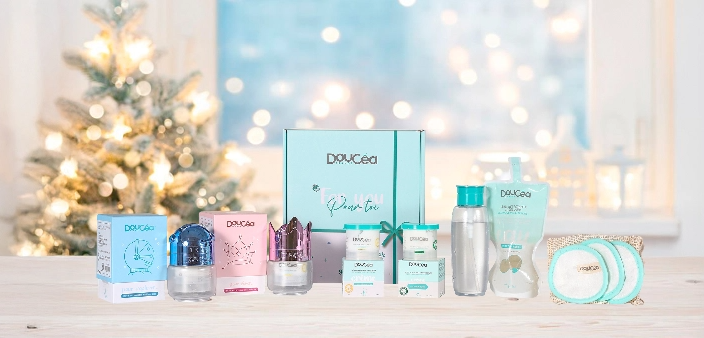
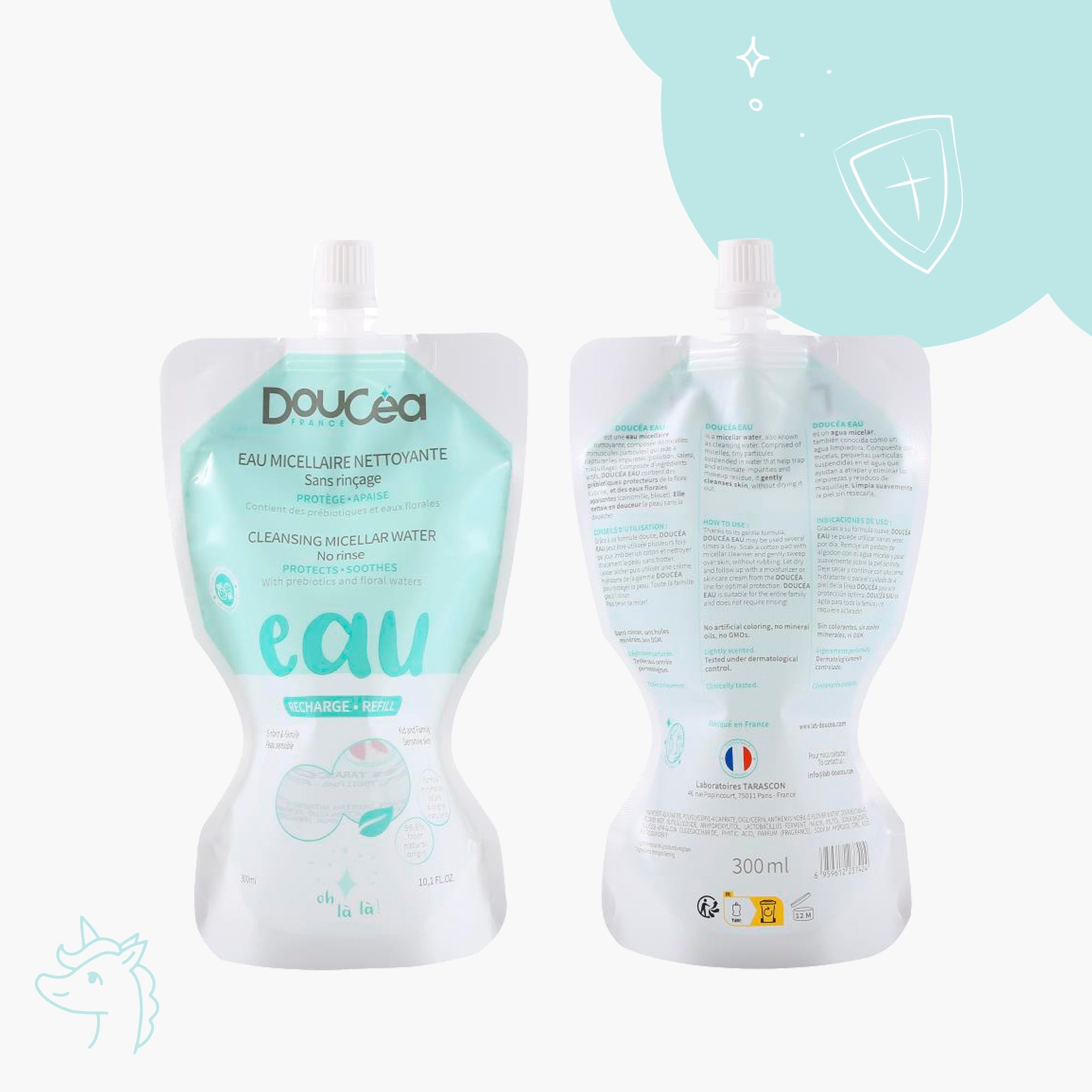
Doucéa Micellar Water was specifically formulated to respect the integrity of the most delicate skin. Unlike classic soaps or sulfated foaming gels that can alter skin pH, our micellar water uses ultra-gentle surfactants that capture impurities like magnets (micelles) without requiring irritating rubbing. It's enriched with organic chamomile floral water and cornflower floral water, two ingredients recognized for centuries for their soothing, decongestant, and anti-inflammatory properties. This refreshing gesture leaves skin clean, soothed, and ready to receive care, without sensation of tightness or dryness.
The benefit of prebiotics to soothe skin flora
Doucéa Micellar Water's major innovation lies in the integration of prebiotics (Alpha-Glucan Oligosaccharide, natural from sugar cane) and probiotics (Lactobacillus Ferment). As we explained, acne is linked to microbiome dysbiosis. Prebiotics act as a selective "superfood": they exclusively nourish skin's good commensal bacteria, allowing them to develop and occupy terrain against pathogenic bacteria like C. acnes. By strengthening beneficial flora from the cleansing step, we help skin re-establish its natural defenses and modulate inflammation at the source, offering preventive action against imperfection recurrences.
Step 2: Moisturize without greasing to help healing
A persistent myth would have it that oily or acne-prone skin doesn't need hydration. This is false and counterproductive. Acne-prone skin is often dehydrated skin, especially if it undergoes drying dermatological treatments (benzoyl peroxide, retinoids, local antibiotics). Skin that lacks water heals poorly and marks more (persistent red or brown spots).
Complement medical treatment with appropriate hydration
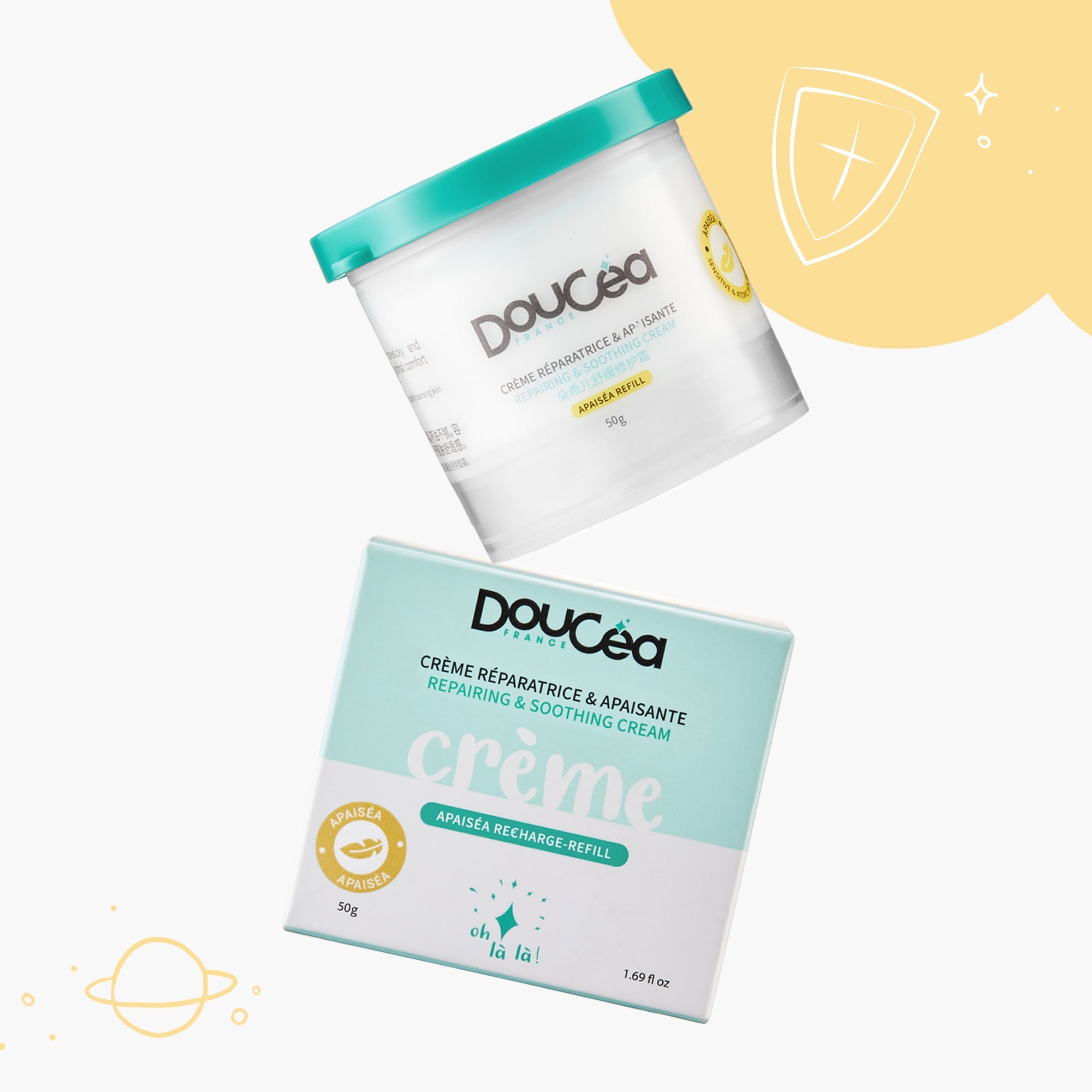
Moisturizer choice must be made according to skin condition and ongoing treatments. For sensitive skin, presenting redness and mild to moderate acne, APAISÉA Cream is ideal. Its fluid texture penetrates quickly without leaving a greasy film. It contains a trio of natural oils (sweet almond, sunflower, jojoba). Jojoba oil is particularly interesting because its biochemical composition is very close to human sebum; it sends a "satiety" signal to skin, which helps regulate natural sebum production.
In case the adolescent is following heavy medical treatment (type oral isotretinoin) that causes intense dryness, chapped lips, and scaling, skin becomes extremely fragile, even atopic. Here, DOUTOPIA Cream makes complete sense. Designed for very dry and atopic-prone skin, it's enriched with Madecassoside (Centella Asiatica or Tiger Herb extract), a powerful tissue repair agent that calms irritation and stimulates collagen synthesis. Inulin (cane sugar) present in our formulas ensures deep hydration by retaining water at the heart of cells, thus promoting optimal skin repair.
Step 3: Complementary daily hygiene actions
The cosmetic routine isn't always enough if skin's direct environment is a contamination source. A few simple actions can make the difference. It's recommended to change pillowcase every two or three days, as sebum and bacteria accumulate night after night, creating a vicious reinfection circle. Cell phone, a real microbe nest constantly pressed against the cheek, must be regularly disinfected. Finally, using our playful cases ("To dream," "To explore"), co-created with children, allows ritualizing this care. The attractive design and refill system transform medical constraint into a pleasure action, promoting care compliance, key to long-term success.
[PRODUCTS]
Better living with acne: the psychological aspect in adolescents
Acne doesn't stop at the skin surface; it penetrates deeply into the adolescent's psyche. At an age when identity is being built, when the body changes and when others' gaze (and group belonging) becomes paramount, acne can be experienced as a real intrusion, even betrayal of one's own body. It's essential to address this psychological dimension as seriously as physical symptoms.
The impact of pimples on self-image during puberty
Studies have shown that severe acne can have psychological impact comparable to that of chronic diseases like asthma or diabetes. It can lead to significant self-esteem decline, social anxiety, withdrawal (refusal to participate in sports or social activities), and sometimes depressive symptoms. The adolescent may have the impression that their pimples are the only thing others see, which fuels a feeling of shame and insecurity. In the era of social networks and "perfect skin" filters, this pressure is even stronger. Recognizing this suffering is the first step to help the adolescent not define themselves solely by their skin condition.
How to support your teen with kindness?
Parents' role is delicate: you must be present without being intrusive. Remarks, even well-intentioned, like "You popped your pimples again" or "Wash your face better," can be perceived as judgments and increase adolescent stress. The approach should be that of therapeutic alliance. It's better to say: "I see this weighs on you, know it's not your fault and that solutions exist to help you." Proposing to consult a dermatologist or adopt appropriate care like Doucéa's shows the teen that their problem is taken seriously. Using Doucéa's refillable and customizable cases can also help de-dramatize treatment by taking it out of the purely medical universe to anchor it in a more positive and empowering universe.