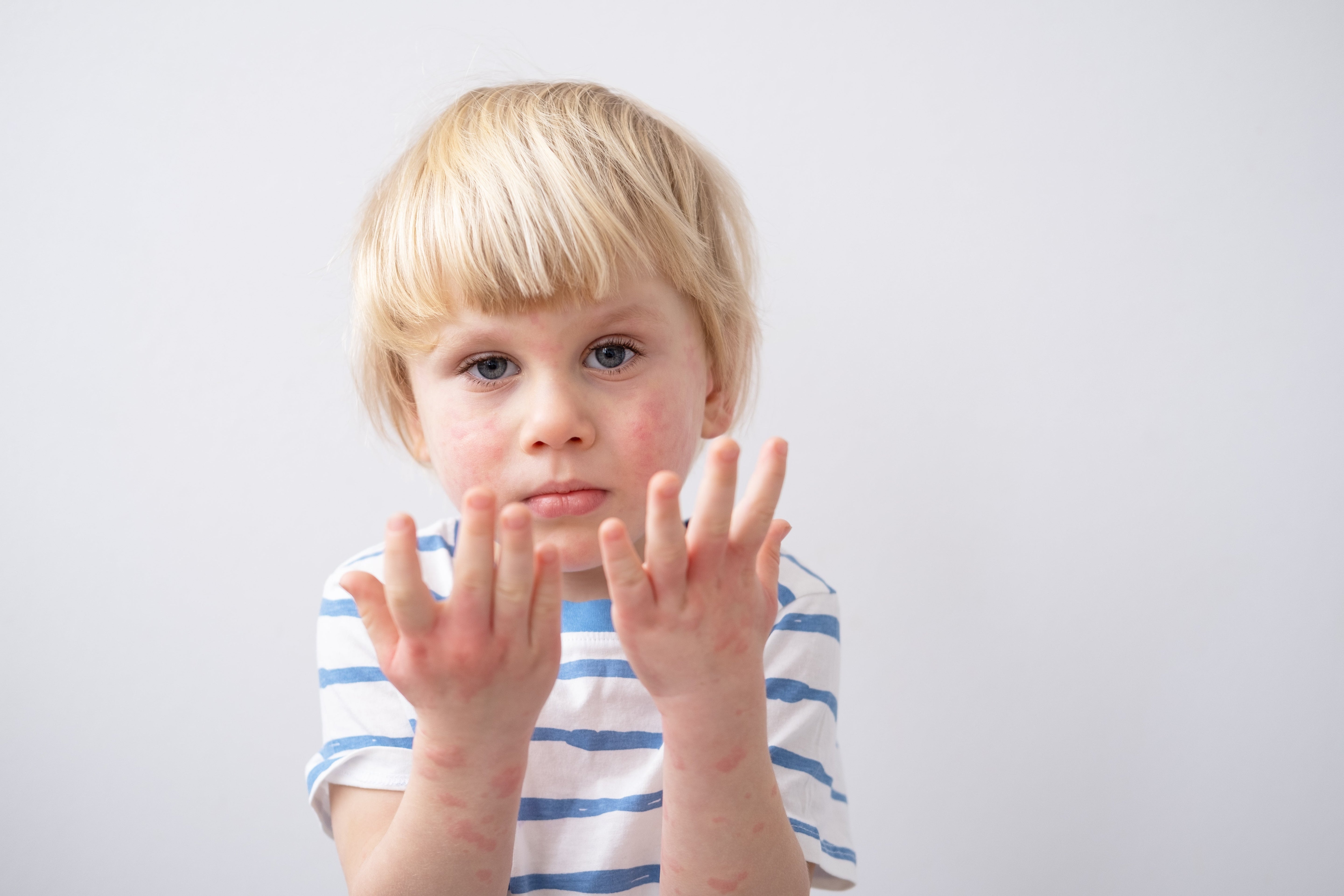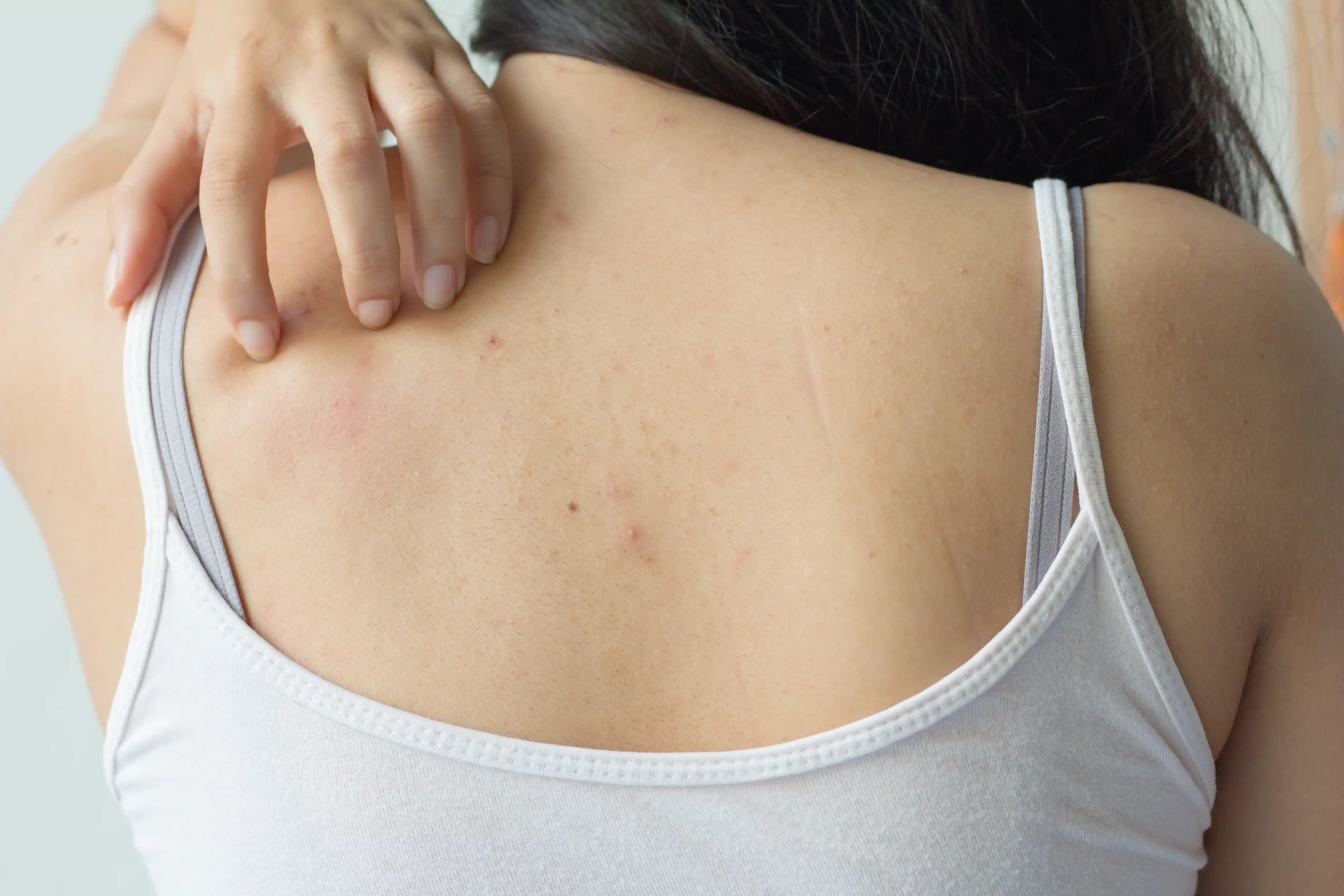


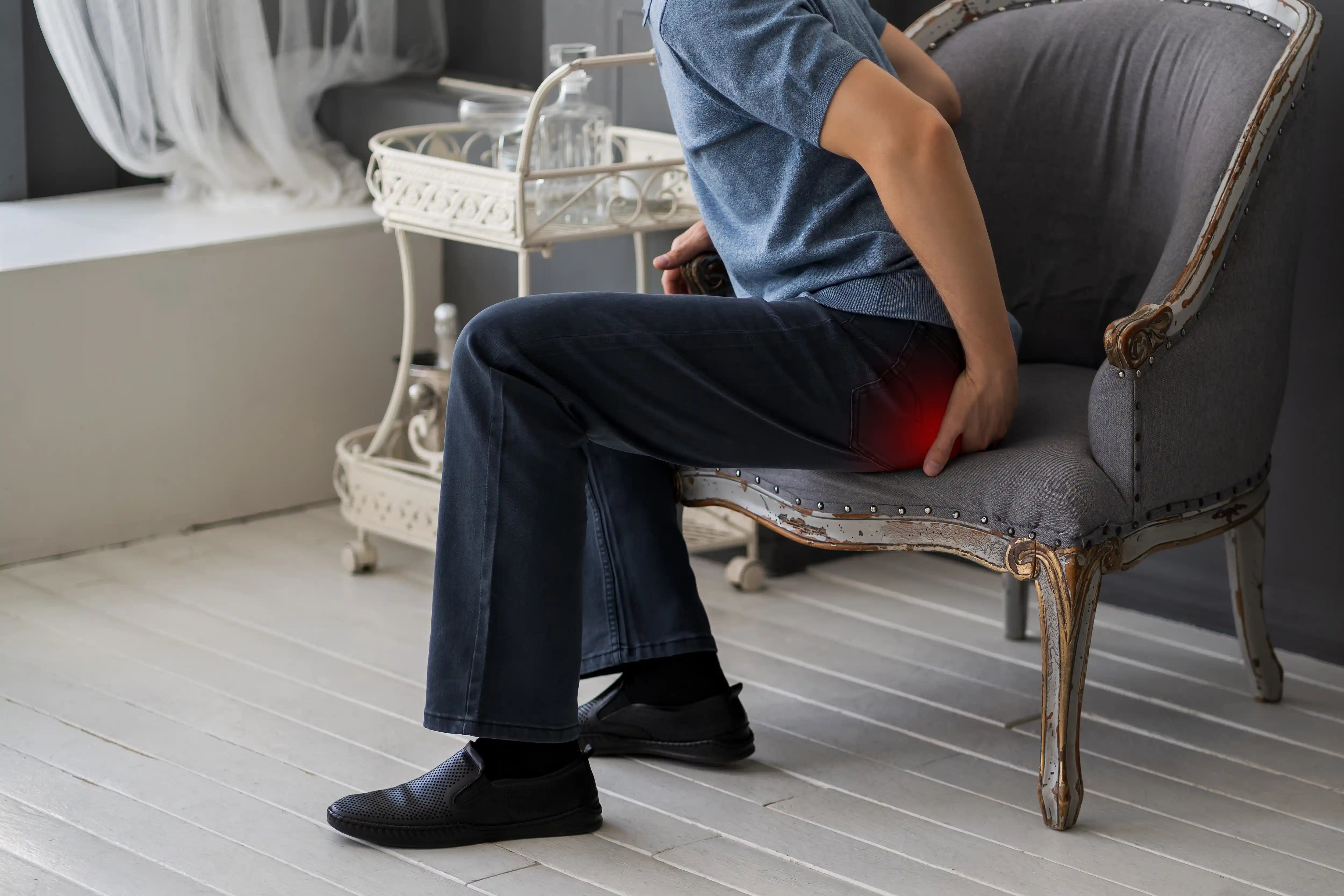
We rarely talk about it, yet bumps on the buttocks are much more common than we think. Whether in babies, children, or adults, this area is particularly sensitive. Exposed to heat, excessive sweating, or constant friction, the skin on the buttocks can quickly become irritated, inflamed, and develop small bumps, redness, or imperfections.
The good news? 🌼 These bumps are most often benign. They don't indicate a serious imbalance, but simply a natural skin reaction to pore obstruction, inflammation of hair follicles (called folliculitis), or a temporarily unbalanced skin flora.
At Doucéa, we believe that soothing the skin always starts with gentleness. Listening to what it's expressing, offering it appropriate care, and restoring its balance without rushing: that's the key to comfortable, healthy, and serene skin.
Common causes of bumps on the buttocks
Before treating buttock bumps, it's essential to understand their origins. These imperfections often have several intertwined causes: heat, friction, unsuitable clothing, skin imbalance, or irritating products. The skin on the buttocks, constantly in contact with surfaces and rarely exposed to air, is particularly vulnerable.
Understanding these mechanisms allows you to adopt the right practices to soothe and durably prevent irritations.
Excessive sweating and heat
Sweating is a natural phenomenon, essential for the body's thermal regulation. However, when it accumulates in a poorly ventilated area like the buttocks, it quickly becomes a source of skin imbalance. Moisture trapped between the skin and clothing creates a warm, humid environment conducive to the proliferation of bacteria and yeasts.
Gradually, pores become clogged, sebum thickens, and the skin flora becomes unbalanced: small red or white bumps appear. This isn't "acne" in the classic sense, but a follicular irritation called superficial folliculitis.
🌿 Doucéa tip: after a hot day, a long seated journey, or a sports session, gently cleanse the skin with Doucéa Cleansing and Soothing Water. Its soap-free, alcohol-free formula enriched with soothing active ingredients cleanses gently, limits bacterial proliferation, and helps the skin regain its natural balance.
Friction and tight clothing
Repeated friction is a very common cause of skin irritation, especially on the buttocks. Tight jeans, synthetic leggings, or even overly snug underwear can exert continuous mechanical pressure on the skin. This constant contact alters the protective hydrolipidic film and causes micro-inflammations.
Add to this body heat and sweating, which amplify maceration. The result is perfect terrain for the appearance of red bumps, sometimes painful, accompanied by itching or tingling.
👕 Doucéa advice: choose loose, breathable, and soft clothing in cotton or linen. These natural materials let the skin breathe and prevent skin overheating. If you regularly wear sportswear, prefer those designed with breathable technical fabrics and change them quickly after exercise.
Ingrown hairs and shaving
Hair removal and shaving can weaken the skin, especially when repeated or performed without post-hair removal care. When growing back, the hair can curl and become trapped under the skin: that's an ingrown hair. This situation leads to a localized inflammatory reaction, often confused with an acne bump, but which is actually irritative folliculitis.
Poorly moisturized skin or skin aggressed by harsh products heals more slowly and is more exposed to this phenomenon.
💧 Doucéa ritual: after shaving, soak cotton with Doucéa cleansing water, then apply a dab of APAISÉA, the light moisturizing cream by Doucéa. Enriched with prebiotics, vitamin E, and cornflower floral water, it immediately calms redness, limits bacterial proliferation, and promotes natural healing.
Detergents and irritating products
The skin on the buttocks is often in direct contact with washed fabrics, making it an area particularly exposed to detergent residues, fabric softeners, or cleaning agents. However, many products contain surfactants, fragrances, or preservatives that can irritate the skin.
Result: tingling, diffuse redness, or even small skin eruptions appear. These chemical irritations disrupt the skin microbiome and maintain a cycle of discomfort.
🧴 Doucéa tip: prefer a hypoallergenic detergent, fragrance-free and dye-free, and avoid fabric softeners. Rinse laundry with clear water and let it dry thoroughly in the open air. These simple practices preserve skin health and limit reaction risks.
Skin dryness and microbiome imbalance
When skin lacks hydration, it becomes more vulnerable to external aggressions. The hydrolipidic film, that thin protective layer on the skin's surface, becomes depleted. Result: the skin barrier weakens, water evaporates faster, and the microbial flora loses its natural balance.
This imbalance promotes inflammation, itching, and the appearance of small imperfections. Dry skin therefore needs to be nourished, but also gently rebalanced.
🌸 Doucéa care: the DOUTOPIA care, rich in Madecassoside, prebiotics, and a patented complex of hydrating sugars (AQUAXYL), intensely nourishes the skin, restores its microbiome, and durably soothes feelings of discomfort. Used regularly, it helps the skin on the buttocks regain its softness, suppleness, and balance.
How to recognize folliculitis on the buttocks?
Bumps on the buttocks can have several origins, but when they're centered around a hair, red, slightly painful, or topped with a small white point, it's often folliculitis.
This benign skin condition corresponds to inflammation of the hair follicle, that is, the small cavity where the hair grows. It occurs when this follicle becomes obstructed or infected due to excessive sweating, friction, shaving, or an imbalance in the skin microbiome.
The most commonly involved bacterium is Staphylococcus aureus, naturally present on the skin. In case of imbalance, it can penetrate the follicle and trigger a local inflammatory reaction.
Good news: in most cases, folliculitis remains superficial, non-contagious, and resolves within a few days with gentle and appropriate care.
Typical symptoms of benign folliculitis
Buttock folliculitis manifests as:
- Small red or white bumps, often grouped, sometimes centered around a visible hair
- A sensation of tingling, heat, or tightness to the touch
- Sometimes a slight white point at the top, sign of superficial follicle inflammation
- Spontaneous disappearance within a few days if the skin is cleaned, soothed, and kept dry
These lesions are often localized on areas of pressure or friction (upper thighs, buttocks, lower back).
They may resemble small acne bumps, but their origin is different: it's not excess sebum, but an inflammatory reaction related to the skin barrier and skin flora.
💧 Doucéa note: the skin rarely reacts "for no reason." It expresses a need for balance, gentleness, and protection. By offering the skin soothing and respectful care, we allow the microbiome to naturally re-establish itself.
When folliculitis becomes deeper
In some cases, inflammation extends beyond the follicle. The bump then becomes deeper, bright red, hot, and painful to the touch: we call it a boil.
This evolution remains rare, but it warrants special attention.
You should never attempt to pop the bump, as this risks worsening the infection or causing a scar.
👩⚕️ Doucéa advice: if bumps persist more than a week, spread, or become very sensitive, dermatological consultation is recommended. A professional can confirm the nature of the lesion and propose gentle and appropriate local care.
How to naturally soothe emerging folliculitis
A gentle approach is sufficient in most cases. The goal is to calm inflammation, restore the hydrolipidic film, and limit bacterial proliferation.
💦 Step 1: Cleanse with tenderness
Use micellar water or a gentle cleanser without soap or fragrance, like Doucéa Micellar Water. It purifies without stripping and respects the skin microbiome.
🌸 Step 2: Soothe and moisturize
Then apply a thin layer of APAISÉA, the light moisturizing cream enriched with prebiotics and cornflower floral water. It reduces the sensation of tightness and helps the skin regenerate.
🌿 Step 3: Repair in depth
If the area is irritated or sensitized, DOUTOPIA care is ideal. Its formula with Madecassoside and hydrating sugars helps the skin heal and regain its suppleness.
The skin's messageFolliculitis is often a sign of skin defending itself. |
How to treat bumps on the buttocks?
When they appear, bumps on the buttocks require gentleness above all. The temptation to dry out or strip the skin may seem logical, but it risks further weakening the microbiome and accentuating inflammation. The most effective strategy consists of repairing the skin barrier, calming redness, and deeply moisturizing the skin.
Every gesture counts: gentle cleansing, regular hydration, and special attention to sensitive areas help reduce imperfections and prevent their reappearance.
Step 1: Cleanse with gentle care
Why cleanse?
The skin on the buttocks accumulates sweat, sebum, and impurities throughout the day. If these elements stagnate, pores become clogged and the risk of folliculitis or small bumps increases.
How to cleanse without aggressing?
- Opt for a non-comedogenic product, soap-free and fragrance-free.
- Doucéa Cleansing and Soothing Water is ideal: its gentle formula purifies the skin while respecting physiological pH and natural microbiome.
- Gently massage the skin to remove impurities, then rinse with lukewarm water.
Consequence of overly aggressive cleansing
Using harsh soaps or abrasive scrubs can create micro-lesions, accentuate dryness, and trigger more bumps.
💡 Doucéa tip: cleansing twice a day is sufficient. No need to scrub, gentleness comes first.
Step 2: Dry without rubbing
Why is drying important?
Moisture promotes maceration and bacterial proliferation. The buttocks are a poorly ventilated area, so any excess water can worsen inflammation.
How to do it?
- Gently pat the skin with a clean cotton towel.
- Avoid any vigorous rubbing, which can cause redness or irritate follicles.
Consequence of excessive rubbing
Even after perfect cleansing, rubbing can trigger micro-inflammations and prolong the presence of bumps.
💡 Doucéa tip: leave the skin slightly damp before applying moisturizing cream, this helps active ingredients penetrate more effectively.
Step 3: Soothe and moisturize
Why moisturize?
Well-moisturized skin re-establishes its natural barrier and defends itself better against bacteria and irritations. Hydration reduces redness, prevents dryness, and limits the appearance of new bumps.
Doucéa care to favor
- APAISÉA: light and fluid, it moisturizes skin daily, protects the microbiome, and soothes sensations of tightness.
- DOUTOPIA: richer, it acts deeply on irritated or weakened areas, repairs the skin barrier, and durably calms redness.
For skin prone to buttock acne
- Care containing benzoyl peroxide or salicylic acid can help unclog obstructed pores.
- Caution: they should be used occasionally and with care, as excessive application risks irritating the skin and creating a skin imbalance.
💡 Doucéa tip: alternate the two care products — APAISÉA in the morning to moisturize and protect, DOUTOPIA in the evening to repair and soothe. This gentle routine helps reduce imperfections while respecting the skin's natural balance.
Some additional tips
- Avoid scratching or popping bumps, this risks increasing inflammation and causing infection.
- Loose and breathable clothing: favor cotton or natural fibers to limit friction and heat.
- Regular routine: success relies on consistency. Gentle cleansing + daily hydration = lasting reduction of bumps.
How to prevent the appearance of bumps on the buttocks?

Prevention is always better than cure. The skin on the buttocks, particularly sensitive, reacts easily to heat, sweating, or friction. By adopting a few simple and regular practices, it's possible to limit the appearance of bumps and maintain soft, clear, and comfortable skin.
A preventive routine relies on three pillars: gentle hygiene, appropriate clothing, and daily hydration.
Adopt rigorous hygiene
Why is hygiene essential?
The skin naturally accumulates sebum, sweat, and impurities. If these elements stagnate, pores become clogged and the skin flora becomes unbalanced, creating favorable terrain for the formation of small bumps or folliculitis.
How to proceed?
- Cleanse the skin daily with a gentle, unscented soap or soothing and repairing water.
- Avoid overly frequent scrubs or aggressive products that weaken the microbiome and skin barrier.
- Focus on folds and areas prone to friction, but always with gentle, circular gestures.
Consequence of inadequate hygiene
Overly aggressive or insufficient cleansing can either irritate or allow bacteria to proliferate. In both cases, bumps are more likely to appear.
💡 Doucéa tip: Doucéa Soothing Water cleanses, soothes, and respects the natural microbiome, ideal for a daily routine, even for babies.
Wear appropriate clothing
Why do clothes matter?
Tight or synthetic fabrics create constant friction, trap heat and sweat, and promote maceration. This warm, humid climate is ideal for bacteria responsible for buttock acne or folliculitis.
Practical advice
- Favor natural fabrics, like cotton or linen, which let the skin breathe.
- Change underwear every day, especially after physical activity.
- Avoid wearing tight pants or leggings for too long, especially during the day.
Consequences of unsuitable clothing
Friction and heat promote redness, irritation, and the formation of small painful bumps.
💡 Doucéa tip: alternate tight and loose clothing during the day, especially after sports or prolonged physical activity.
Exfoliate gently
Why exfoliate?
Exfoliation helps eliminate dead cells and prevent pore obstruction. It also limits the appearance of ingrown hairs, common after shaving or hair removal.
How to exfoliate without aggressing?
- Once a week is sufficient for the skin on the buttocks.
- Use a gentle scrub with fine grains, with light mechanical action or natural enzymes.
- Massage in circular motions, then rinse abundantly.
Consequence of overly aggressive scrubbing
Overly vigorous rubbing can cause micro-lesions, trigger redness, and worsen buttock acne.
💡 Doucéa tip: alternate exfoliation and hydration to maximize softness and skin regeneration.
Moisturize every day
Why is hydration key?
Nourished and supple skin resists friction, heat, and bacteria better. Hydration also prevents dryness, which weakens the skin barrier and promotes irritations and imperfections.
How to moisturize correctly?
- Apply a cream or appropriate care morning and evening on clean, slightly damp skin.
- For light daily hydration, use APAISÉA.
- To repair irritated or weakened areas, opt for DOUTOPIA, rich in prebiotics and Madecassoside.
Consequence of poorly moisturized skin
Dryness, tightness, and greater sensitivity to friction and heat = increased risk of bumps and inflammation.
Bumps on the buttocks in babies and children
The buttocks of little ones are particularly sensitive. Diaper moisture, heat, or friction can cause diaper rash or small benign eruptions.
In babies
Gently cleanse at each diaper change with Doucéa Soothing Water, fragrance-free and alcohol-free. Let the skin breathe for a few minutes in the open air before applying a thin layer of DOUTOPIA.
This care instantly soothes redness, repairs the skin barrier, and durably protects the fragile skin of babies.
In children
In older children, bumps often appear after sports or play. Gentle hygiene, breathable clothing, and daily hydration are sufficient to prevent irritations.
Doucéa care for smooth and soothed skin
APAISÉA, the hydrating caress
A fluid texture, quick absorption, and a subtle fragrance: APAISÉA intensely moisturizes while strengthening the skin flora. Ideal for skin prone to friction and irritations.
DOUTOPIA, the repairing care
Its complete formula based on Madecassoside, prebiotics, and natural oils promotes the repair of dry or irritated skin. It immediately calms redness and restores the natural suppleness of the epidermis.
Offer your skin — and that of the whole family — the tenderness it deserves, thanks to the Doucéa repairing routine: APAISÉA, DOUTOPIA, and Micellar Water.
Gentle, natural, and refillable care, designed for the beauty of sensitive skin every day. 🌿